Thyme Honey
Thymaina Thyme Honey is a flower honey of exceptional quality produced on the island of Thymaina, a small island of the Fournoi Korseon complex in the Eastern Aegean. The abundance of thyme (mainly the species Thymus capitatus) on the island’s dry and rocky soils, combined with the absence of intensive crops and its geographical isolation, ensures the production of a rich, aromatic and flavorful honey, which is one of the most important local products and a key economic activity for the inhabitants.
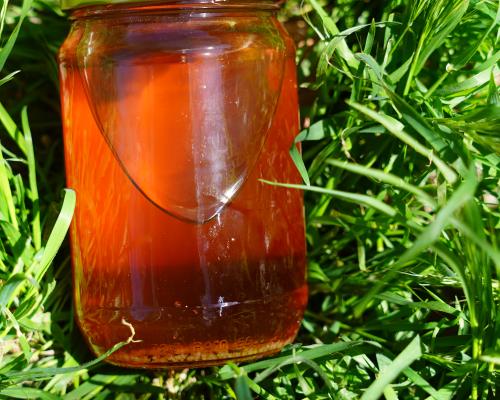
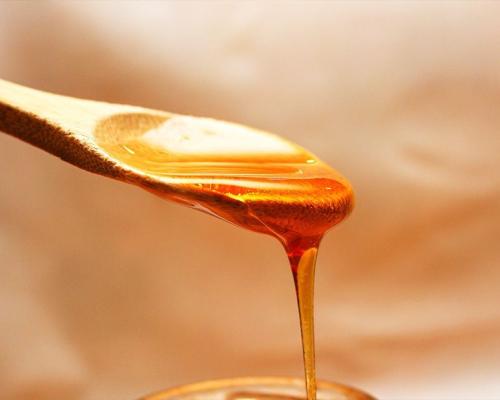
It is one of the most renowned Greek honeys, distinguished by its high thyme nectar content, which in certain cases, as evidenced by commercial references to “Fournoi Korseon” honey, can reach or even exceed 97% of the total nectar, placing it among honeys of very high purity and quality. It is characterized by its light amber to reddish color, its rich, strong and spicy aroma due to the essential oils of thyme, and its intense, sweet taste with a slight sharpness. Its crystallization is relatively slow (usually 6–18 months) because of its high fructose content.
Thymaina is a small island belonging to the Fournoi Korseon island complex in the northeastern Aegean Sea, located east of Ikaria. The ideal climatic conditions, with dry, warm summers and a Mediterranean climate, favor the abundant growth of thyme, which constitutes the dominant beekeeping flora. The geographical location and small size of the island, combined with the absence of large-scale agricultural activities, contribute to the preservation of an unpolluted environment, providing bees with pure nectar and honeydew, factors critical to the high quality and distinctive organoleptic characteristics of the honey produced. Thymaina, together with Fournoi, is included among the areas of the Northern Aegean where beekeeping is highly developed.
The production of thyme honey on Thymaina follows the traditional methods of nomadic beekeeping in the Aegean, adapted to the island’s soil and climate conditions. The main thyme flowering usually takes place during the months of June and July. Beekeepers move their hives to selected areas of the island with rich thyme-covered sites, ensuring that the overwhelming majority of the collected nectar comes from thyme, resulting in high monofloral purity.
The production process includes:
- Placement/Nomadism: The hives are moved to the thyme fields of Thymaina during the flowering period.
- Harvesting: The honey is collected when most of the combs have been sealed by the bees, a sign that the honey has matured and its moisture has dropped to safe levels. This usually takes place from late July to early August.
- Extraction: The honey is extracted from the combs using centrifugation in a honey extractor. Traditional practices often include cold extraction, without heating, so that all the honey’s nutritional and aromatic components remain unaltered.
- Cleaning and Maturation: This is followed by filtration to remove large foreign particles (e.g., wax) and the natural settling of the honey in stainless steel tanks, where it remains for a few days so that any air bubbles and residues rise to the surface.
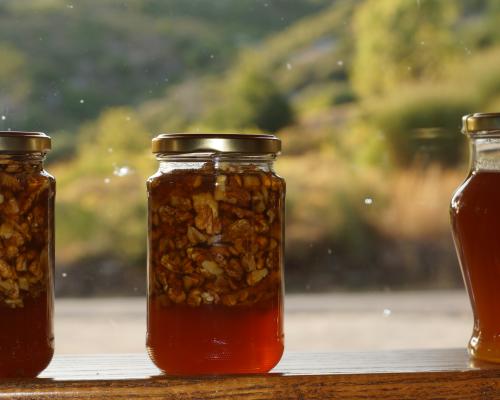
- Standardization: The honey is standardized in glass jars. It is important that the beekeepers of the Aegean, including Thymaina, are encouraged not to overheat the honey during standardization, so as to maintain its high quality characteristics, such as diastase (enzyme) value and low hydroxymethylfurfural (HMF).
Beekeeping, and in particular the production of the renowned thyme honey, is one of the main economic activities of the inhabitants of Thymaina, along with fishing. Due to the island’s small size and limited agricultural development, beekeeping makes use of its unique, unpolluted flora, offering a product of high added value. The continuous development of beekeeping, according to local reports, contributes to maintaining the population and boosting the income of the few permanent residents, while at the same time keeping traditional practices alive.
The reputation of Fournon Korseon/Thymaina Thyme Honey also acts as a magnet for quality tourism, as visitors seek out local products such as honey, cheeses (myzithra, ladotyri), and fresh fish, thus contributing to the local gastronomic identity and promotion of the island cluster. The protection of thyme and the environment by the beekeepers themselves is essential for safeguarding production, reinforcing environmental awareness.
Beekeeping in the wider Aegean and Cyclades region has deep roots in antiquity, as Greek thyme honey (the “finest wine” according to Aristotle) was known for its quality and therapeutic properties. In Thymaina and Fournoi Korseon, the tradition of beekeeping is linked to the self-sufficiency and austere lifestyle of the islanders. Historically, honey was the main sweetener and often the only agricultural product available for sale or trade.
The cultural heritage of honey is embedded in local customs and gastronomy. Beekeeping, like livestock farming, is a profession that requires constant nomadic movement within the island or even between islands to exploit seasonal flowering, thereby maintaining a connection with the traditional, rhythmic way of life of the Aegean.
Customs in Thymaina revolve around fishing and beekeeping, with thyme honey being a key ingredient in festivals and celebrations.
- Offering sweets: Honey is used to sweeten “katimeria” (fried dough with local myzithra cheese), which are generously drizzled with local honey and offered at weddings and baptisms, symbolizing prosperity.
- Festivals: Local products, such as honey, are sold or offered at the festivals of Fourni (e.g., Saint John of Thermastis), strengthening direct contact between producer and consumer.
- Medicinal Use: Honey is traditionally used as a natural remedy for coughs, sore throat, and invigorating the body, due to its antiseptic and tonic properties.