Vrasma (petimezi)
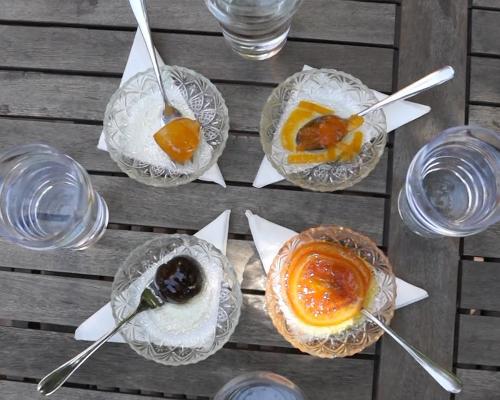
Vrasma is the traditional name used in Lesvos to describe a thick, dark-colored syrup, equivalent to grape molasses (petimezi), which, however, in the majority of cases on the island is made exclusively from figs and not from grapes, as is customary in the rest of Greece. This gastronomic particularity is a direct reflection of the agrarian economy and the local flora, as the abundance of fig trees in western Lesvos made the fig the main source of natural sweetener for the needs of the rural household, especially during the winter months and fasting periods. Vrasma was used to replace sugar and to serve as the base for a range of traditional sweets and delicacies, constituting a fundamental ingredient of Lesvian cuisine.
The Vrasma of Lesvos is identified as fig molasses and bears the synonym Sykomelo (Fig Honey) or, when mixed with flour, forms the base for the delicacy Sykalevro (Flour with Figs). Its uniqueness lies in its raw material: whereas petimezi is traditionally produced from grape must, Lesvian vrasma is made from the concentrated juice of dried figs (usually “apsyka”, second-quality figs), acquiring a particularly intense, fruity and dense flavor profile, distinct from that of grape molasses. The local name “vrasma” refers directly to the process of boiling and is thought to preserve the Greek term “epsima” used by the ancient Greeks for concentrated juices.
The production of Vrasma is closely linked to the regions of western Lesvos, centered on the fertile Plain of Eresos and the village of Mesotopos. This geographical concentration is due to the historical and continuous cultivation of the fig tree in the area. The Plain of Eresos, with its ideal soil and climatic characteristics, favors the development of many fig varieties, among which Politika, Aidinia and Prasinosyka of Lesvos stand out. The abundance of this fruit, combined with the need to utilize figs that were not intended for immediate consumption or trade (“apsyka”), established vrasma as the main processed product of households in western Lesvos.
Method of Sweet Production
The traditional production method of Vrasma of Lesvos is a process of slow extraction and concentration of the fig’s natural sugars, without the addition of sugar or preservatives.
- Harvesting and Preparation of Figs: The process begins in autumn, after the harvest, when the figs (usually dried, sun-dried and, mainly, those of second quality, the so‑called “aposyka”) are selected.
- Soaking and Extraction (Fermentations/Extractions): The dried figs are thoroughly washed and placed in large vessels (formerly “harania” or cauldrons) with water. They are left to soak for a long period (usually overnight) and are then boiled to achieve the initial extraction of the sugars.
- Straining and Clarification: The resulting “fig juice” is carefully strained from the solid residues, often passed through cheesecloth or dense fabrics, in order to clarify it. In certain variations, extraction is repeated with a second boiling.
- Concentration (Boiling): The clear juice is placed over heat for prolonged boiling (hence the name vrasma, meaning “boiled”). This slow and controlled process of water evaporation is critical, as it must ensure that the liquid is sufficiently concentrated to acquire the thick, syrupy texture of petimezi and to guarantee its natural preservation. Boiling stops when the volume of the liquid has been significantly reduced.
- Aromatization and Storage: During boiling or shortly before the end, aromatics such as basil, bay leaf or rose geranium may be added to enrich the flavor. The final vrasma is stored in clay vessels (“koutroupia”) for long-term keeping.
Vrasma is a product with a deep socio-economic and cultural impact on Lesvos. Historically, it ensured the self-sufficiency of the rural society in sweeteners, making full use of the fig tree’s production, even the figs that were not marketable. In modern times, the production of vrasma, mainly by local cottage industries and Women’s Cooperatives (such as in Eresos and Mesotopos), is an important lever for the local economy and for women’s entrepreneurship. Its elevation to a gourmet product by famous chefs and its promotion as a traditional and healthy sweetener enhance the image of Lesvian gastronomy and contribute to extending the island’s tourism promotion beyond its main products (olive oil, ouzo).
The tradition of Vrasma in Lesvos is directly linked to the ancient practice of “epsima,” that is, the concentration of fruit juice through boiling. The choice of the fig as the main raw material, instead of the grape, is a characteristic example of cultural adaptation and economic practicality that dates back centuries, given the abundance of fig trees in western Lesvos. Vrasma was the basic sweetener of the poor, rural cuisine, which made it possible to create Lenten and nutritious sweets, such as retseli, that were preserved throughout the winter. Its production was an annual family ritual at the end of summer, with the women of the household undertaking the laborious process of slow boiling, a skill that is still honored in local sayings, such as the phrase about the “handiwork” of the women of Mesotopos.
Vrasma is interwoven with the dietary traditions and festive practices of Lesvos, mainly due to its Lenten nature (since it contains no animal products).
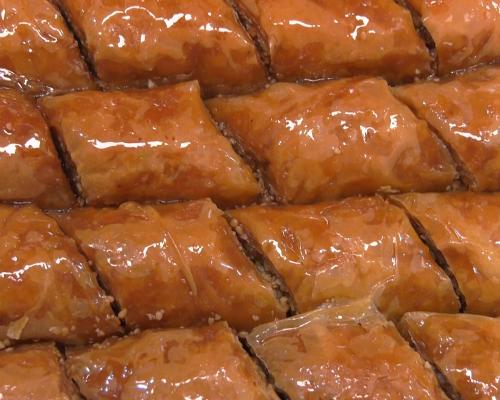
- Fasting Sweets: It was the exclusive sweetener during the major fasting periods (such as Lent). With vrásma, the Lenten “foinikia” (melomakarona) and “diples” were prepared.
- Production Day: The boiling process was a collective event in households, often accompanied by songs and blessings, as it secured the supply of sweetener for the whole year. Its storage in clay vessels indicates its importance as a valuable commodity.
- Gastronomic Festivals: Recently, the tradition of vrásma has also been highlighted through gastronomic festivals in the area of Eresos, which focus on promoting figs and their derivatives, keeping the product’s cultural heritage alive.
- Organization / Competition: Specialist Awards
- Year: 2023
- Level: Bronze distinction (Bronze Award)
- Product: Organic Petimezi (Vrásma) from fig with rose geranium extract (produced by the cottage industry Filia Gi)