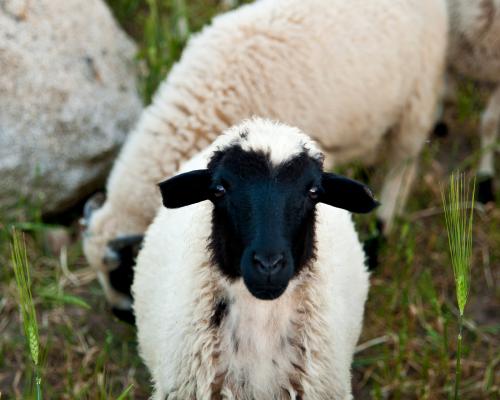
Wild Goat of Ikaria
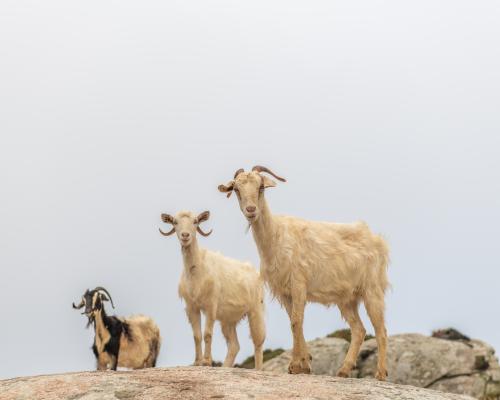
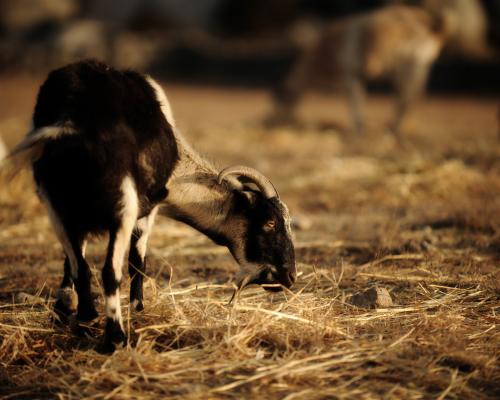
The Wild Goat of Ikaria, known in the local dialect as Raskó (or Raská in the plural), is an emblematic livestock product of the island with deep roots in its historical and cultural identity. The Raská are medium-sized goats and are distinguished mainly by their white or black color. Their meat is considered exceptionally tasty and particularly low in fat, a quality directly linked to their diet, which is based exclusively on the rich, wild flora of Ikaria. Their rearing follows traditional practices, reinforcing the traditional character of the island’s agricultural economy.
The Wild Goats of Ikaria, the Raská, constitute a local goat breed, fully adapted to the island’s rugged relief and soil-climatic conditions, a fact that makes their meat unique in taste and texture. The name Raskó is used locally to describe these free-range wild goats, as opposed to the domesticated small ruminants which in the local dialect are called “tsítses-tsitsópoula.” The uniqueness of the product lies in the virtual absence of intensive farming, with the animals living and feeding freely in the mountainous areas.
The geographical area of Raská rearing is the entire island of Ikaria, with a particular concentration in the mountainous and semi-mountainous regions of the island, where conditions favor traditional free-range grazing. The island has a pronounced and rugged relief, mainly around the Atheras mountain range, which creates an ideal natural environment for these semi-wild animals. The grazing capacity of Ikaria’s pastures, which is based on its unique wild flora (phrygana, shrubs, aromatic plants), directly determines the quality and organoleptic characteristics of the meat. The climate, with humidity usually ranging between 50–75% and lush vegetation nourished by rainfall, contributes to the formation of an ecosystem that profoundly influences the animals’ diet and, by extension, the final flavor of the product. The Raská traditionally belong to each mountainous community of the island, where they are kept in herds that graze freely in the mountains.
The method of rearing the Raská is traditional, semi-wild or free-range, which is the cornerstone of the quality of the meat. The animals are of medium height and fully adapted to the challenges of the mountainous and rocky terrain.
- Diet and Grazing: The diet of the Raska goats is based almost exclusively on the natural grazing of mountain pastures, a fact that reinforces the traditional character of their rearing. The animals consume a wide variety of wild plants and herbs of Ikaria, which are rich in essential oils and aromatic substances.
- Living Conditions: The goats live freely in the mountains all year round, organized in herds. Human intervention is limited, focusing mainly on monitoring, protection from dangers, and the milking period (in the past) or slaughter. The traditional character of the rearing is reinforced by the use of actual data to determine grazing capacity, with the aim of proper pasture management and the preservation of the rural environment.
- Production (Meat and By-products): The Rasko is intended mainly for meat production, which is consumed locally or made available in limited “exports,” primarily to Athens. In addition to fresh meat, the locals traditionally also prepared Ikarian pastourmas, a type of salted goat meat. Although goat and sheep farming in Ikaria once had as its main
The Wild Goats (Raska) have a pivotal impact on the social, economic, and environmental structure of Ikaria. Socially, their breeding is inextricably linked to the traditional way of life and the collective organization of the mountain communities, as herd management often constitutes a communal affair. Economically, their meat is an important resource, especially for the livestock farmers of the mountainous areas, and is destined both for local consumption and for limited distribution outside the island. Environmentally, the Raska are part of the ecosystem of Ikaria. However, population management is critical, as overgrazing can threaten biodiversity and the sustainability of the pastures.
The history of the Raska is intertwined with the centuries of piracy in Ikaria, beginning in the early 17th century, the period when the Ikarians were forced to abandon the coastal areas and settle in the mountains for protection. During this "century of obscurity," the wild goat was an important survival food for the inhabitants, as it could live and multiply in the inhospitable mountainous environment. This need for survival established traditional livestock farming and the semi-wild breeding of the Raska. The preparation of Kariotic pastirma from salted goat meat, which was hung for preservation, is an ancient food conservation practice that testifies to the central place of the animal in the island’s self-sufficiency. Through this historical trajectory, the Raska ceased to be merely food and became a symbol of resistance and perseverance of the Ikarian people.
The Wild Goat (Raskó) lies at the heart of the foremost Ikarian customs and traditions, holding a dominant place in the island’s renowned festivals, which form the epicenter of social life. Raská meat is the most popular dish served during these festivals, symbolizing communal offering and revelry. Traditionally, it is consumed in two main ways: boiled (as a soup) or roasted (usually on the spit or in the oven). The preparation of the meat, which is often a communal task, marks the beginning of the celebration. Beyond the festivals, Raskó meat is also used in other ritual occasions, such as gamopilaf (a traditional wedding dish), where goat meat is combined with rice and butter, reinforcing the animal’s connection with the important moments in the lives of the Ikarians.
The meat of the Wild Goats of Ikaria (Raska) is renowned for its nutritional superiority, which is directly attributed to its natural rearing and diet.
- Fat Content: The meat is described as a product with very little fat, a characteristic associated with lean meats from wild-grazing animals. This makes it a low-calorie choice compared to meat from intensive farming.
- Effect on Longevity: Moderate meat consumption (1–2 times per week) is one of the features of the Ikarian diet, which is counted among the five Blue Zones of the planet with the highest proportion of residents over 90 years old.
- Proteins: As meat, it is a source of high biological value proteins, essential for maintaining muscle mass.
- Fatty Acids: Although there are no specific data for the Rasko, the meats of free-range animals tend to have a better fatty-acid profile, particularly a higher ratio of omega-3 fatty acids and conjugated linoleic acid (CLA), compared to animals fed with grains, due to the rich grazing.
The meat of the Wild Goats of Ikaria (Raska) is renowned for its nutritional superiority, which is directly attributed to its natural rearing and diet.
- Fat Content: The meat is described as a product with very little fat, a characteristic associated with lean meats from wild-grazing animals. This makes it a low-calorie choice compared to meat from intensive farming.
- Effect on Longevity: Moderate meat consumption (1–2 times per week) is one of the features of the Ikarian diet, which is counted among the five Blue Zones of the planet with the highest proportion of residents over 90 years old.
- Proteins: As meat, it is a source of high biological value proteins, essential for maintaining muscle mass.
- Fatty Acids: Although there are no specific data for the Rasko, the meats of free-range animals tend to have a better fatty-acid profile, particularly a higher ratio of omega-3 fatty acids and conjugated linoleic acid (CLA), compared to animals fed with grains, due to the rich grazing.