Chios Masourakia
Chios Masourakia are one of the island’s most distinctive and aromatic traditional sweets, combining the crisp texture of phyllo pastry with the unique flavor of mastic and almond. This sweet, which is often dusted with powdered sugar and scented with rose or orange blossom water, is deeply connected to the gastronomic identity of Chios, mainly due to the use of its unique local mastic.
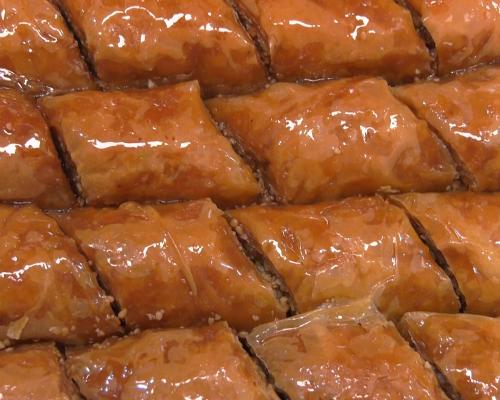
Chios Masourakia are a traditional festive sweet in the shape of a small roll or “masouri” made from phyllo pastry. Their name derives from their shape. The key ingredients that give them their identity are Chios Mastic (in the form of “submarine” spoon sweet or tears) and blanched ground almonds.
As a traditional sweet, Masourakia are associated with the entire island of Chios. Their geographical identity is defined mainly by the origin of their principal aroma and ingredient: Chios Mastic, which is cultivated exclusively in the Mastihohoria (Mastic Villages) of southern Chios. This unique area, with its special microclimate and distinctive soil, is the only place in the world where Pistacia lentiscus var. Chia thrives and produces the famous resin. Therefore, although the sweet can be produced throughout the island, the essence of its uniqueness is inextricably linked to the geographical area of the Mastihohoria.
The traditional method of making Chios Masourakia is a handmade process that requires attention to detail, especially in preparing the filling and rolling the phyllo.
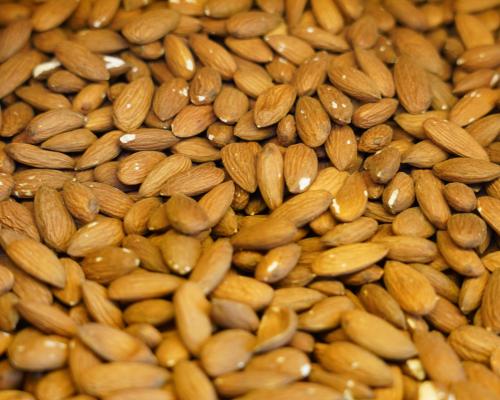
- Preparation of the Filling: The heart of the sweet is the filling of ground almonds and mastic “submarine” sweet. The almonds are blanched and ground into a powder. The mastic submarine (the traditional spoon sweet) is melted in a bain-marie until it becomes liquid, but not hot. Ground almonds, ground mastic (tears), and often beaten egg white (meringue) are added to this mixture; the meringue acts both as a binding agent and to lighten the filling. Some recipes also include pulp from Chian mandarin (a PGI product) for extra aroma.
- Rolling: Phyllo pastry is used, which is brushed with melted butter. The sheet is cut into strips (usually three strips per sheet). A small amount of filling is placed at the end of each strip, the sides are folded inward, and then it is rolled into a tight cylinder (masouri).
- Baking and Aroma: The little rolls are arranged on a baking tray, basted with butter again and baked at a moderate temperature (about 170∘C - 175∘C) for about 20 minutes, until they turn golden and become crisp. As soon as they come out of the oven, they are sprinkled with rosewater and dusted with icing sugar, which gives them their final white, characteristic appearance.
The production and reputation of Chios Masourakia have an indirect but significant impact on the island’s economy and identity. They act as an ambassador for Chios Mastic, incorporating the PDO product into a recognizable traditional sweet. Demand for masourakia (especially from visitors) supports local confectionery businesses and strengthens the value chain of local products, such as mastic, Chios mandarin (optionally) and rosewater. In this way, they contribute to preserving gastronomic heritage and promoting the island as a gastronomic destination.
The history of Chios Masourakia is inextricably linked to the island’s broader gastronomic development and the use of mastic. Traditionally, the people of Chios did not use mastic in food or sweets, but exported it as a valuable commercial commodity (their “cash crop”). The incorporation of mastic into confectionery, as well as the know-how of phyllo dough (which points to an oriental influence), appears to be a later development, most likely the result of influences from the Genoese, the Ottomans, and the Franks, who brought new techniques and spices. The recipe for Masourakia, which resembles a variation of the Syrian mastichakia, was likely shaped during a period when craftsmen from Chios traveled and spread the art of lokum and sweets, while at the same time adopting their local ingredient, mastic, into this new form of confection.