Feta cheese from Limnos
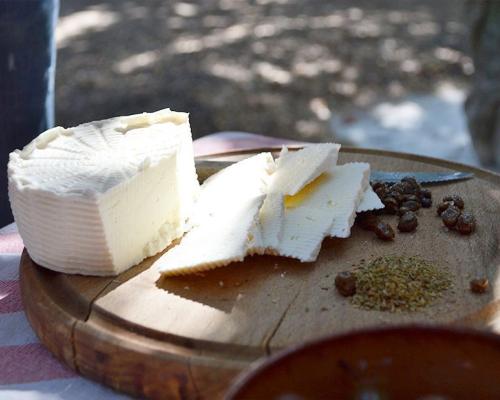
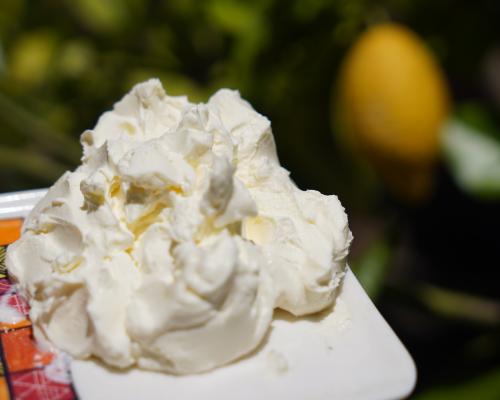
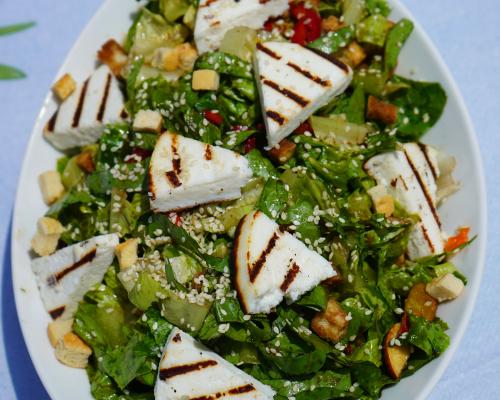
Feta of Lemnos is one of the distinctive local variations of Greece’s national cheese, recognized as a Protected Designation of Origin (PDO) product, a fact that confirms its close connection with the island environment of the Northern Aegean and with traditional production practices. Its firmer texture and its slightly tangy yet full-bodied flavor, accompanied by the characteristic saltiness of brined cheese, make it a distinct gastronomic element that is deeply rooted in the rural tradition of Lemnos. This feta is inextricably linked to the island’s rich flora and to the diet of the sheep and goats, elements that are transferred unchanged into the milk and, ultimately, into the final cheese.
Lemnos Feta is not a synonym or a name variation, but refers specifically to the Feta produced within the boundaries of the island. It is, like the more general “Feta,” registered as a Protected Designation of Origin (PDO) product. The delimited geographical production area includes all of mainland Greece as well as the island of Lesvos (Prefecture of Lesvos). Although Lemnos belongs to the Prefecture of Lesvos (now the Regional Unit of Lemnos), the reference to “Lemnos Feta” implies the use of milk originating exclusively from sheep and goats raised on the island of Lemnos, highlighting the particular quality characteristics of the local milk. The main specifications of PDO Feta include its production from sheep’s milk or a mixture of sheep’s and goat’s milk (with goat’s milk up to 30%), a minimum ripening period of 2 months, and a final composition with a maximum moisture content of 56% and a minimum fat content in dry matter of 43%. Lemnos Feta is often described as firmer in texture compared to other feta cheeses, with an intense flavor profile attributed to local livestock farming. It should be noted that Lemnos is also home to the production of Kalathaki Lemnou cheese, which has its own distinct recognition as a PDO.
Lemnos is the eighth largest island of Greece, located in the North Aegean, and is distinguished by its low-altitude pastures and volcanic soil, elements that shape a distinctive geographical and climatic environment. The climate is Mediterranean with strong maritime influences, characterized by relatively mild winters and dry, hot summers, often accompanied by strong northern winds. These conditions favor the development of a rich and unique native flora, which forms the dietary basis for the local breed of sheep and goats, traditionally raised in free-range systems. The high biodiversity of Lemnian pastures, with their aromatic plants and herbs, imparts to the milk produced—sheep’s and goat’s—distinct qualitative characteristics and a special taste and aroma, which ultimately define the flavor identity of Lemnos Feta, differentiating it from Feta of other regions.
The production of Lemnos Feta PDO follows the strict specifications of the PDO regulation, based on the traditional cheesemaking method, whose roots are lost in ancient Greece, yet adapted to modern technological practices that ensure quality and safety.
The process begins with the collection of fresh or pasteurized milk, which must come exclusively from sheep or from a mixture of sheep’s and goat’s milk (up to 30%), from animals raised on the island’s pastures. The use of local sheep and goat breeds and free-range grazing is of decisive importance, as the animals’ diet based on the local flora is the foundation for the distinctive aromatic and flavor profile of the milk.
Beneficial microbial cultures and rennet (of animal origin) are added to the pasteurized or fresh milk, resulting in the coagulation of the milk. This is followed by cutting the curd and separating it from the whey. The curd is placed in molds (in metal or wooden containers) to drain naturally. Draining is carried out by inverting the molds, without pressing, under specific temperature and humidity conditions.
After draining, the cheese is salted on the surface and placed in wooden barrels or tinplate containers together with brine (saltwater solution) to initiate the maturation. The maturation process lasts for a minimum of two (2) months and is critical for shaping the final texture and flavor of feta. Initially, maturation takes place at a higher temperature (14°C to 18°C) for about three weeks, and then under cooler conditions (up to 6°C). During maturation, fermentations and enzymatic processes give Lemnos Feta its characteristic firmer character and the rich, slightly sour and mildly salty taste that makes it distinctive.
The production of Lemnos Feta, together with that of the PDO Kalathaki Lemnou cheese, constitutes one of the pillars of the island’s local economy. Cheesemaking, based on livestock farming, supports a significant part of the primary sector, ensuring income for local livestock breeders who raise sheep and goats of local breeds. The existence of the PDO product enables local dairies to sell their product at a higher price, enhancing the added value of production.
Furthermore, PDO production serves as an indicator of quality and cultural identity for Lemnos, attracting gastronomic tourism and strengthening the island’s image as a destination with authentic products. The preservation of traditional production methods and local livestock farming contributes to the maintenance of the rural countryside and the biodiversity of pastures, as free grazing prevents land abandonment and preserves the natural environment.
The cheesemaking tradition in Lemnos has deep roots, with references to local cheeses already found in Byzantine times. Livestock farming and dairy production have always been key occupations of the inhabitants, due to the extensive pastures that favor sheep and goat breeding.
The production of feta was adopted and shaped by the needs of islanders to preserve milk, especially during the warm months. The firmer texture of Limnos Feta is probably an evolution of local practices, allowing for better and longer-lasting preservation. The island is also renowned for Kalathaki Limnou PDO and Melichloro/Melipasto, indicative of how deeply cheesemaking is rooted in the local cultural heritage. This long tradition, passed down from generation to generation, is an integral part of the island’s identity, keeping traditional techniques alive and preserving the bond between people and the land and animals of Limnos.
Limnos Feta, like the island’s other dairy products, is directly linked to seasonal agricultural work and religious festivals. The main period of milk production, and by extension cheese production, follows the cycles of nature, with spring and summer being the most productive seasons.
Traditionally, dairy products, including feta, held a central place at festive tables and social events (weddings, baptisms, village fairs), where the abundance of local delicacies symbolized prosperity and hospitality. In earlier times, cheese production took place at family level or in small farm units, with women playing a decisive role in the cheesemaking process. Although modern production units have taken the place of small dairies, knowledge of and appreciation for local cheeses remain an integral part of Limnos’ gastronomic tradition.
Feta is particularly rich in high biological value proteins, which are essential for the building and repair of tissues. Its high Calcium content makes it an excellent source for bone health and the reduction of osteoporosis risk, as well as for the proper function of the nervous and muscular systems. It also contains significant amounts of Phosphorus and B-complex vitamins, especially B12, which is vital for the functioning of the nervous system and the formation of red blood cells. Its fats include Conjugated Linoleic Acid (CLA), a bioactive compound that has been studied for its potential antioxidant and anticancer effects. However, due to the brining process used in its production, feta has a high salt/sodium content, making it necessary to monitor the quantity consumed, particularly for people with hypertension.
Feta is particularly rich in high biological value proteins, which are essential for the building and repair of tissues. Its high Calcium content makes it an excellent source for bone health and the reduction of osteoporosis risk, as well as for the proper function of the nervous and muscular systems. It also contains significant amounts of Phosphorus and B-complex vitamins, especially B12, which is vital for the functioning of the nervous system and the formation of red blood cells. Its fats include Conjugated Linoleic Acid (CLA), a bioactive compound that has been studied for its potential antioxidant and anticancer effects. However, due to the brining process used in its production, feta has a high salt/sodium content, making it necessary to monitor the quantity consumed, particularly for people with hypertension.