Goat cheese (myzithra and ladotyr)
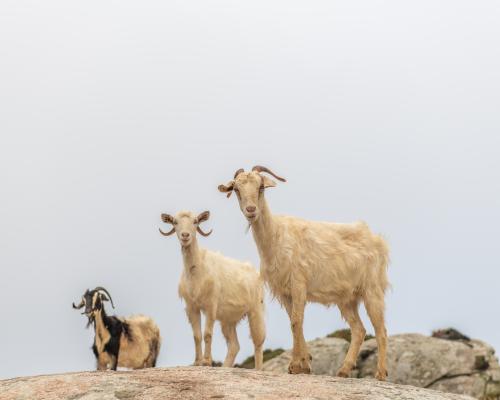
Thymaina, the second largest island of Fourni Korseon in the northeastern Aegean, preserves a primordial cheesemaking tradition despite the small scale of livestock farming. The local cheeses, such as goat’s whey cheese (myzithra) and ladotyri, are considered gastronomic treasures and are produced from the milk of free‑range sheep and goats. The animals’ diet, rich in aromatic plants of the island flora, gives the cheeses a distinctive character. Production is mainly family-based and carried out in limited quantities, reflecting the survival of this tradition thanks to the island’s few inhabitants.
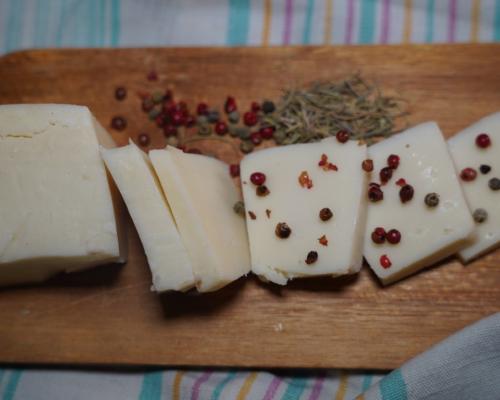
The goat cheeses of Thymaina, chiefly myzithra and ladotyri, are characteristic local products made from sheep and goat milk or whey. Myzithra, as a whey cheese, is found in two forms: fresh (soft), with a soft, creamy texture, and dried (hard), obtained after drying.
Ladotyri is a hard cheese that is traditionally aged and preserved in olive oil. These local cheeses are small‑scale, traditional dairy products whose uniqueness lies in the origin of the milk, which is directly influenced by thyme and the aromatic plants that make up the flora of Thymaina, imparting a distinctive aroma and flavor.
Thymaina, part of the Fourni Korseon complex in the eastern Aegean, is a small island with an area of approximately 10 km². Its geography is characterized by mountainous paths and rocky terrain. Its name likely derives from the abundance of thyme, which is a crucial component of the sheep and goats’ diet. The typical Mediterranean soil and climate conditions (dry summers, wet winters) and the proximity to the sea (which affects the salinity of the forage) shape the special flavor profile of the milk and, consequently, of the local goat cheeses.
The production of myzithra and ladotyri on Thymaina follows traditional, family methods, based on the use of milk from the free‑grazing sheep and goats on the island.
- Raw Material and Milk Collection: The base is goat and sheep milk, which is collected during the peak period of the animals’ milk production, usually in spring and summer. The milk is rich in aromas due to the animals grazing on thyme, sage and other aromatic plants of the island flora, as well as due to the salinity of the fodder near the sea, elements that give a distinctive character to the final cheese.
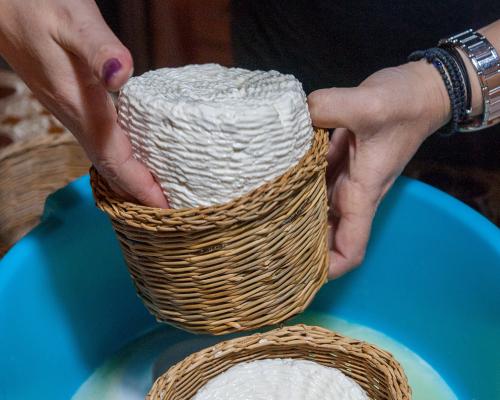
- Production of Mizithra (Whey Cheese): Mizithra, as a whey cheese, is made from the whey that remains after the coagulation of the milk for the production of other cheeses (such as feta or kefalotyri). The whey is heated, often with the addition of a small amount of fresh milk and salt, until the curd is formed, a process known as reheating. The curd is collected and transferred into special molds for draining, yielding fresh (green) mizithra.
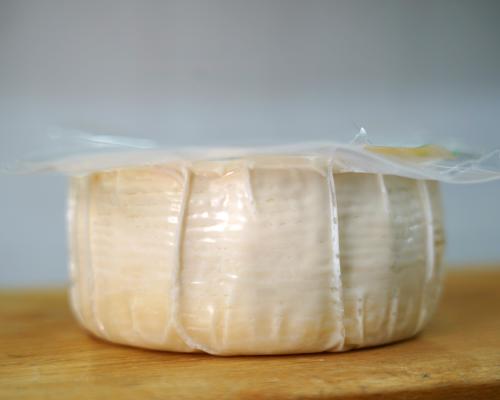
- Production of Ladotyri and Maturation: Ladotyri is a hard cheese that requires a maturation process. After cheesemaking, the cheese is left to dry at room temperature, losing its moisture. The traditional method of preservation involves placing the hard cheese in containers (formerly clay jars) and completely covering it with olive oil, a practice that functioned as a natural preservative before the widespread use of refrigeration and that imparts a distinctive piquant flavor to the cheese. In Fournoi/Thymaina, in addition to preservation in oil, preservation in brine (“cheese of the brine”) or with a wax coating (“cheese of the wax”) is also mentioned for the drying of mizithra.
The production of goat cheese (myzithra and ladotyri) on Thymaina, though limited, has a significant impact, complementing the dominant fishing sector. Small-scale, family cheesemaking is vital for the use of milk from free-range goats and sheep, contributing to the maintenance of the livestock population and traditional techniques. These cheeses, together with thyme honey, are a key element of local gastronomy and a means of attracting visitors. The impact is mainly cultural and environmental, as knowledge is preserved and the island’s flora, rich in aromatic plants, is utilized; the island is included in the Natura 2000 network.
Cheesemaking on Thymaina is part of the broader insular goat and sheep farming tradition of the Aegean. Historically, the raising of goats and sheep was vital for small islands with limited arable land, as the animals could feed on the poor vegetation. The production of cheeses such as myzithra and ladotyri was an ancient way of utilizing milk and preserving proteins for the long term, essential for island societies before the advent of refrigeration.
The production and consumption of local cheeses are woven into the daily customs and hospitality of Thymaina. Goat cheese (myzithra and ladotyri) is a staple meze in the island’s traditional cafés, such as “o Kolokotiris” or “o KaraManolis,” where it is served with ouzo or tsipouro. It is part of the customary offering to visitors, as the locals, particularly proud of their products, habitually treat passersby.
Myzithra is also used to make traditional dishes, such as katimeria (fried pies with local brine cheese or myzithra) and bourekia (pies with zucchini and cheese), which are traditionally prepared by housewives. These sweet or savory treats are an integral part of the island’s festivals and family celebrations, sealing the cultural role of cheesemaking.
Goat cheeses, including mizithra and ladotyri, are sources of high nutritional value, combining high-biological-value protein with important minerals and vitamins.
Mizithra (Fresh/Unsalted): Fresh mizithra is known as one of the lightest cheese options, as it is made from whey and has a relatively lower fat content compared to many hard cheeses. Its sodium content is also lower, especially in its unsalted version.
- Calories: About 228 kcal per 100 grams (for fresh mizithra with 12% fat).
- Protein: A high source, with about 16–18 grams per 100 grams, providing all the essential amino acids.
- Fats: Low to moderate content, about 10–14 grams per 100 grams.
Ladotyri (Hard, Aged): Ladotyri, as a hard cheese, is more concentrated in nutrients due to moisture loss and aging. The following figures are indicative for generic Ladotyri (e.g. from Mytilene), as there are no specialized official data for Thymaina Ladotyri:
- Energy: Approximately 350–400 kcal per 100 grams.
- Protein: Very high content, about 26–30 grams per 100 grams.
- Fat: High content, about 30–35 grams per 100 grams.
- Calcium: Extremely rich in calcium, which can exceed 1000 mg per 100 grams, important for bone health.
- Bioactive Compounds: Ladotyri that has matured in extra virgin olive oil (as traditionally) may absorb polyphenols and fat-soluble vitamins from the oil, increasing its antioxidant value.
Goat cheeses, including mizithra and ladotyri, are sources of high nutritional value, combining high-biological-value protein with important minerals and vitamins.
Mizithra (Fresh/Unsalted): Fresh mizithra is known as one of the lightest cheese options, as it is made from whey and has a relatively lower fat content compared to many hard cheeses. Its sodium content is also lower, especially in its unsalted version.
- Calories: About 228 kcal per 100 grams (for fresh mizithra with 12% fat).
- Protein: A high source, with about 16–18 grams per 100 grams, providing all the essential amino acids.
- Fats: Low to moderate content, about 10–14 grams per 100 grams.
Ladotyri (Hard, Aged): Ladotyri, as a hard cheese, is more concentrated in nutrients due to moisture loss and aging. The following figures are indicative for generic Ladotyri (e.g. from Mytilene), as there are no specialized official data for Thymaina Ladotyri:
- Energy: Approximately 350–400 kcal per 100 grams.
- Protein: Very high content, about 26–30 grams per 100 grams.
- Fat: High content, about 30–35 grams per 100 grams.
- Calcium: Extremely rich in calcium, which can exceed 1000 mg per 100 grams, important for bone health.
- Bioactive Compounds: Ladotyri that has matured in extra virgin olive oil (as traditionally) may absorb polyphenols and fat-soluble vitamins from the oil, increasing its antioxidant value.