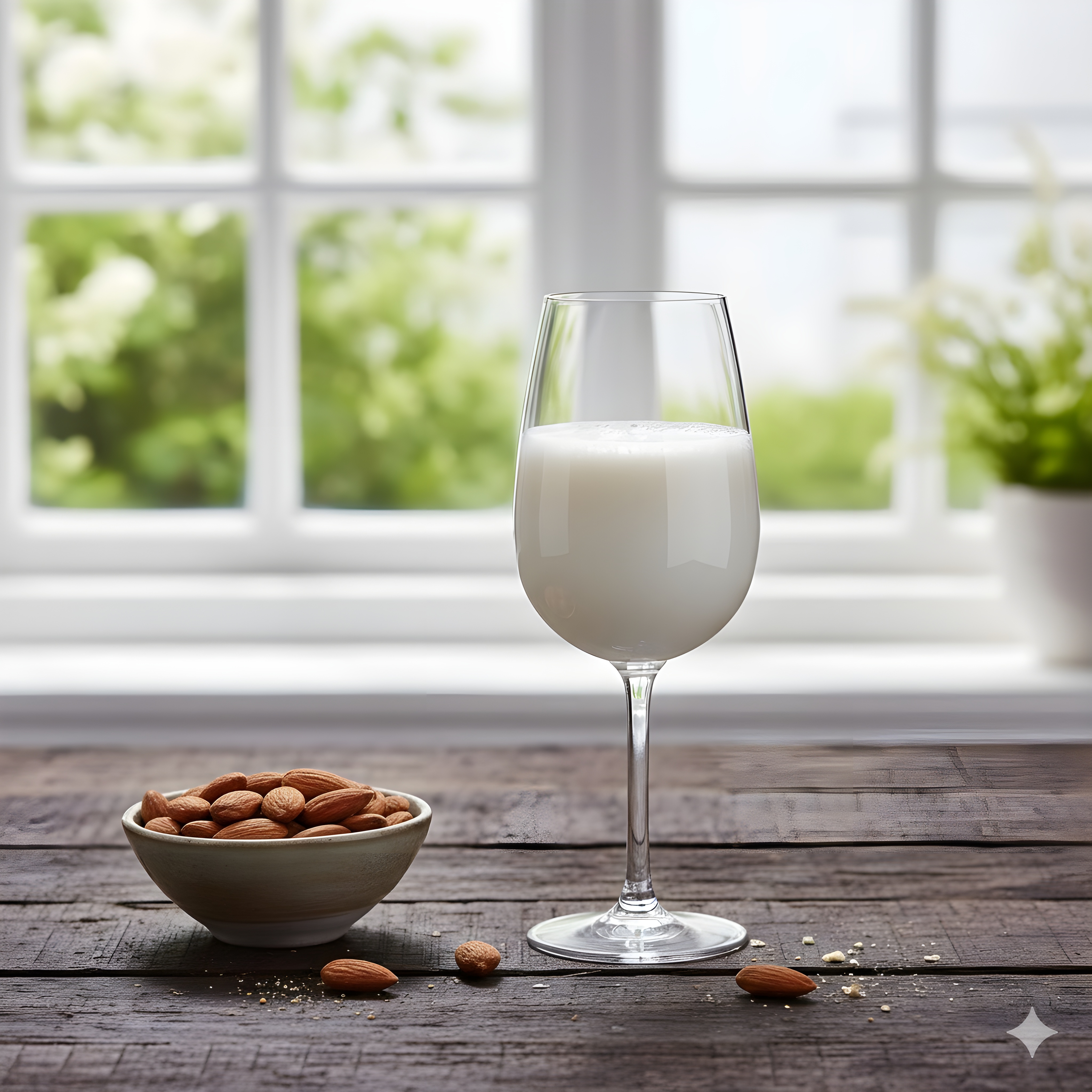
Soumada
Soumada, syrup made from almonds or bitter almonds. The etymology of the word is not known. According to popular interpretation, the word soumada comes from “sumádi” (= mark, sign), that is, a gift…
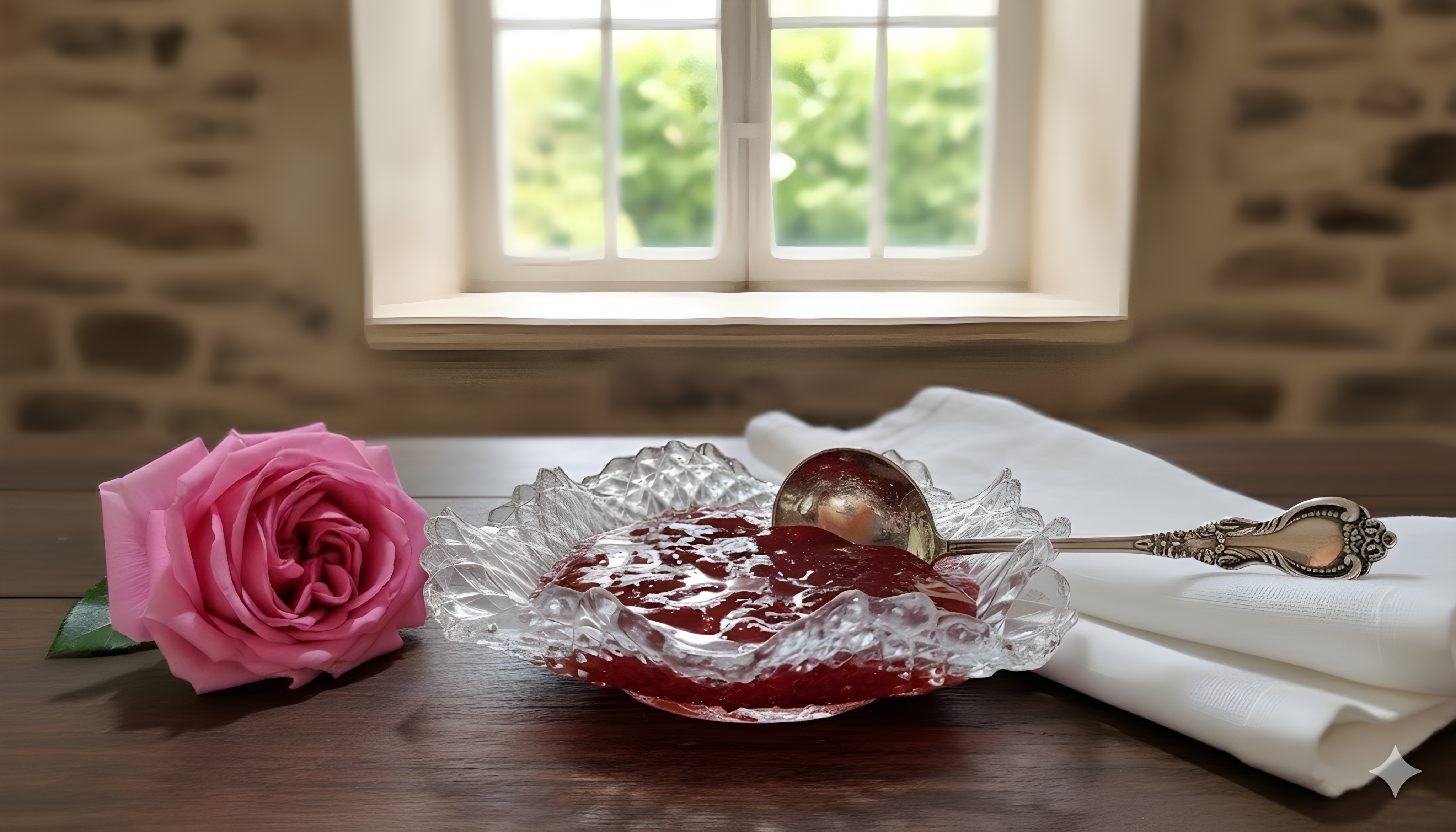
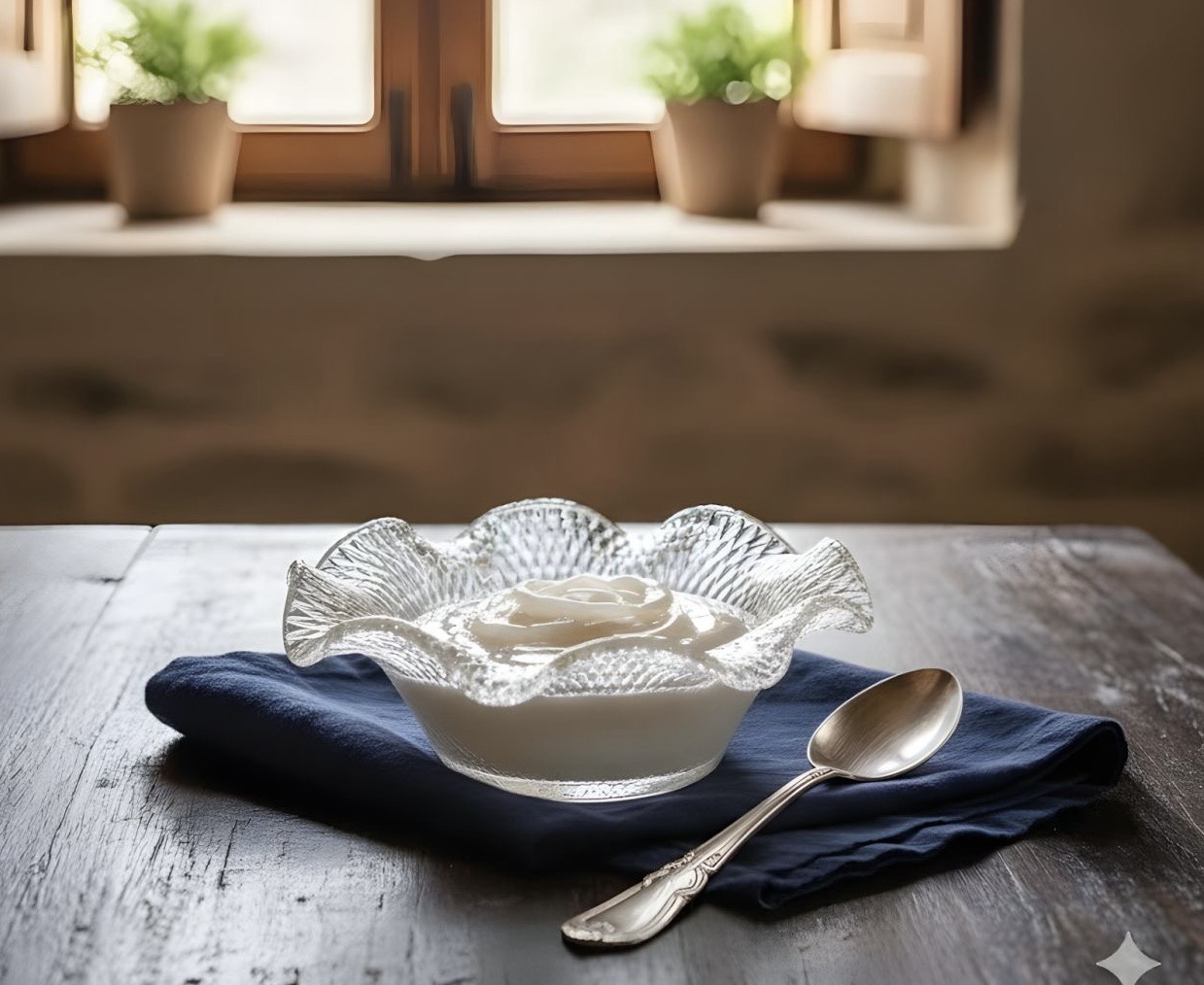
White sweet or wedding sweet
The white sweet is the classic Constantinopolitan treat, which was traditionally prepared on the feast day of Saint Demetrius and kept for the rest of the year. To this day, it remains the official…
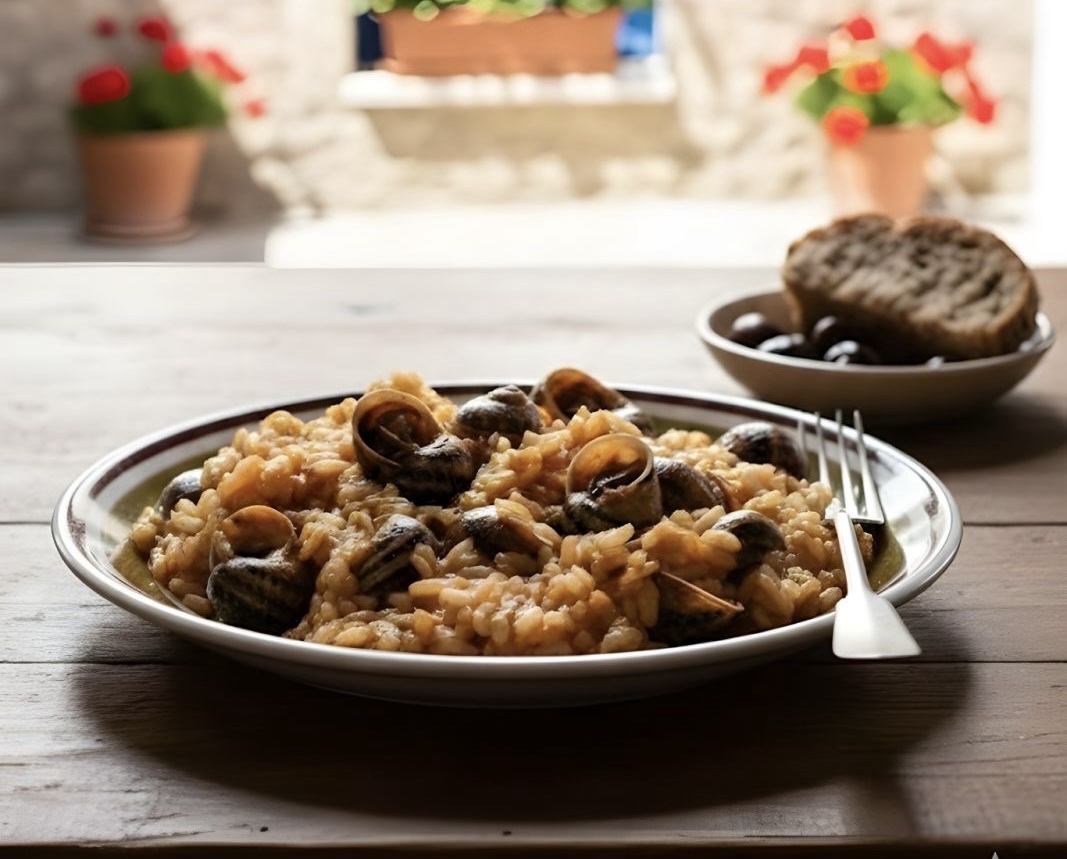
Svingoi
Sphingoi or svingoi are also known as the island-style loukoumades. Svingoi are fluffy little balls of dough, like our loukoumades or French choux. They come from the islands of Greece and are…
Melokourkouta
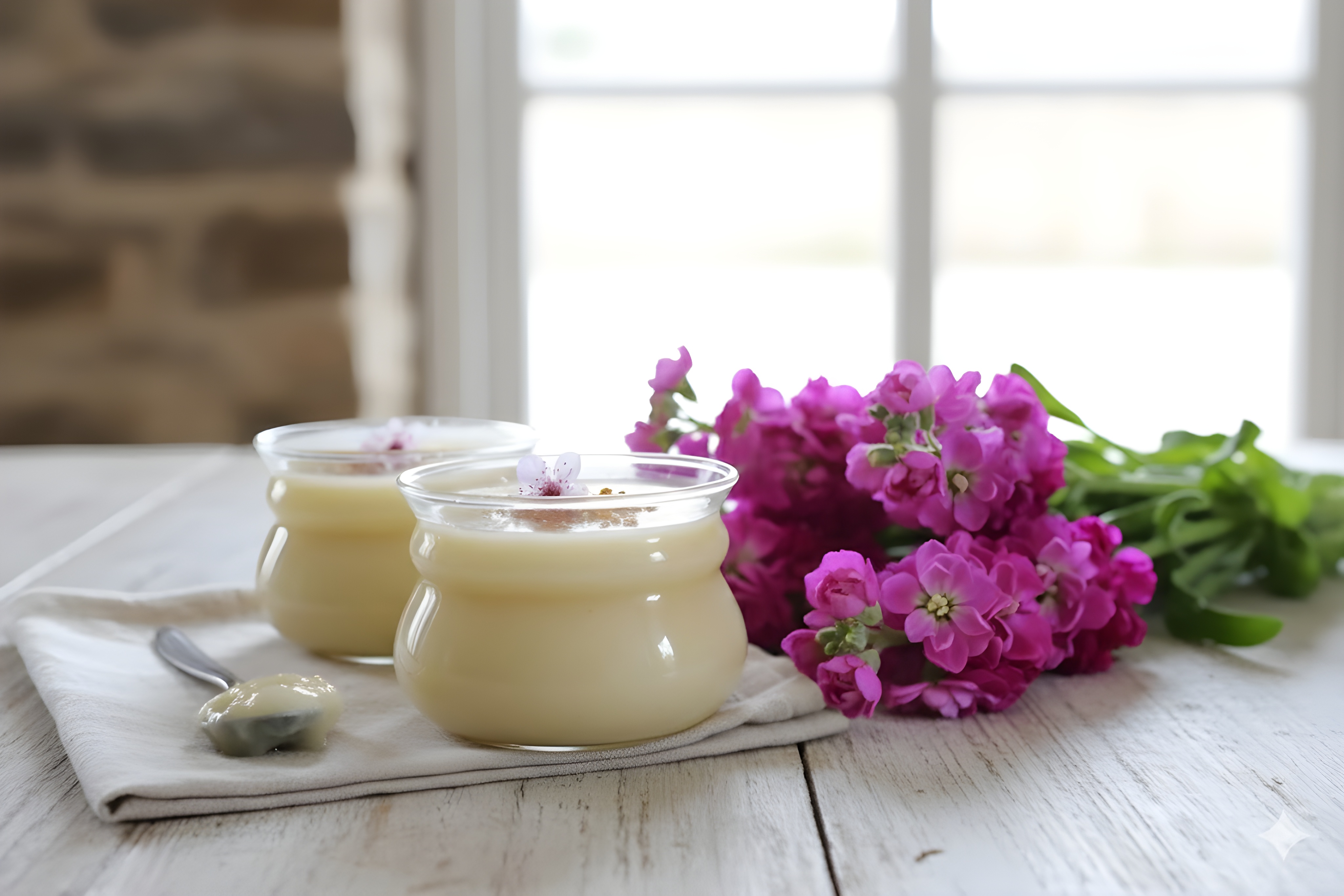
Melokourkouta is prepared from “water‑honey”, the water used to rinse the beehives after the harvest, and it is thickened with a flour batter, the “kourkouti” from which it takes its name. It is…
Psarian loukoumades “fouskia”
Loukoumades are called “fouskia” because they puff up in the oil. Frying them requires technique and, of course, several trials. The proper technique is to make them with a little dough, so that it…
Cuttlefish Pilaf
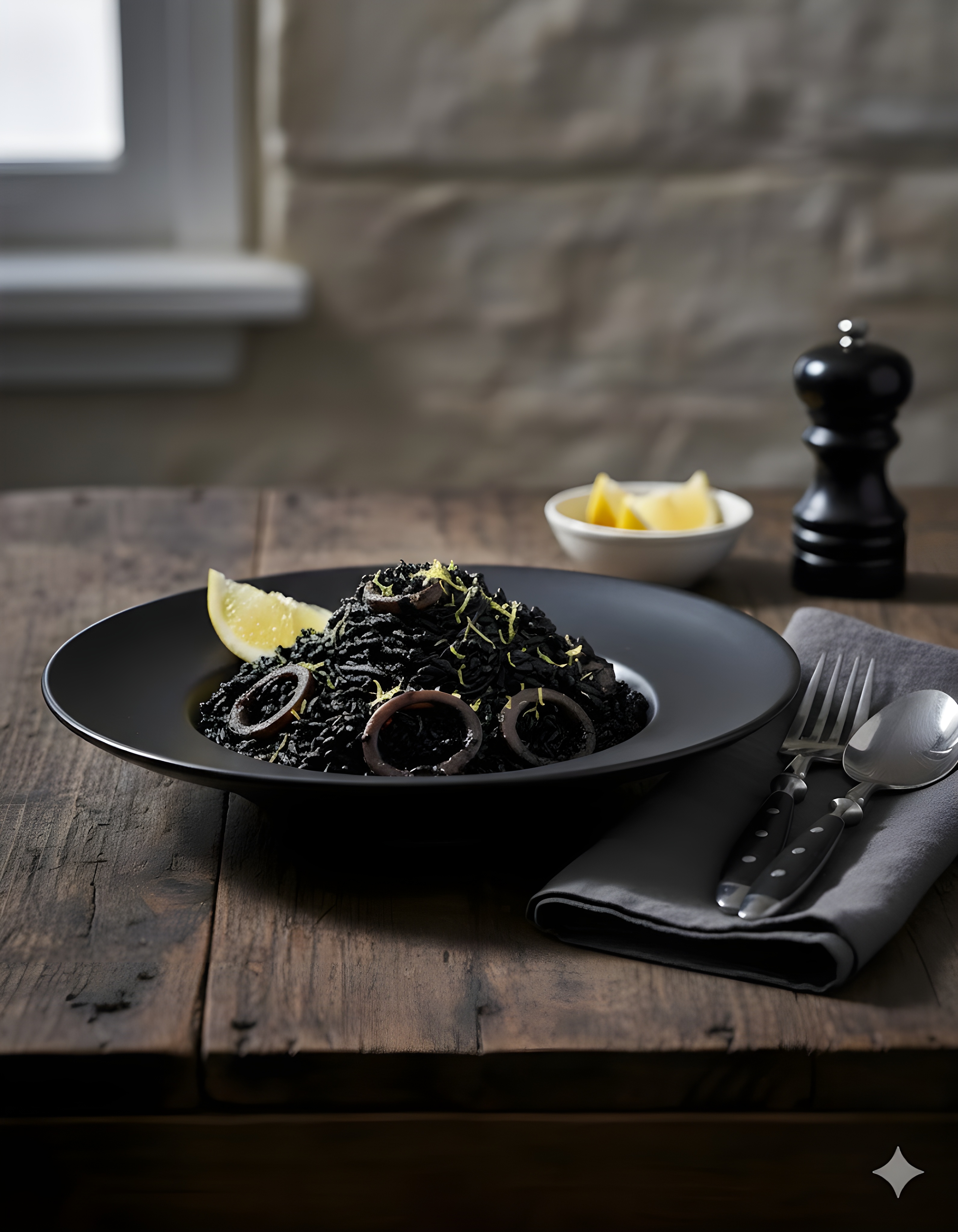
Cuttlefish and cuttlefish pilaf are a whole story in themselves. The pots they are cooked in end up looking like black-figure vases. Because the ink is the very essence of this dish. The soft body of…
Fried lobster with garlic dip
Lobster is not a luxury item on Psara, since the island is a natural lobster ground thanks to the rocky seabed that surrounds its shores. In the island’s tavernas, they also enjoy lobster plain with…
Handmade hollow pasta
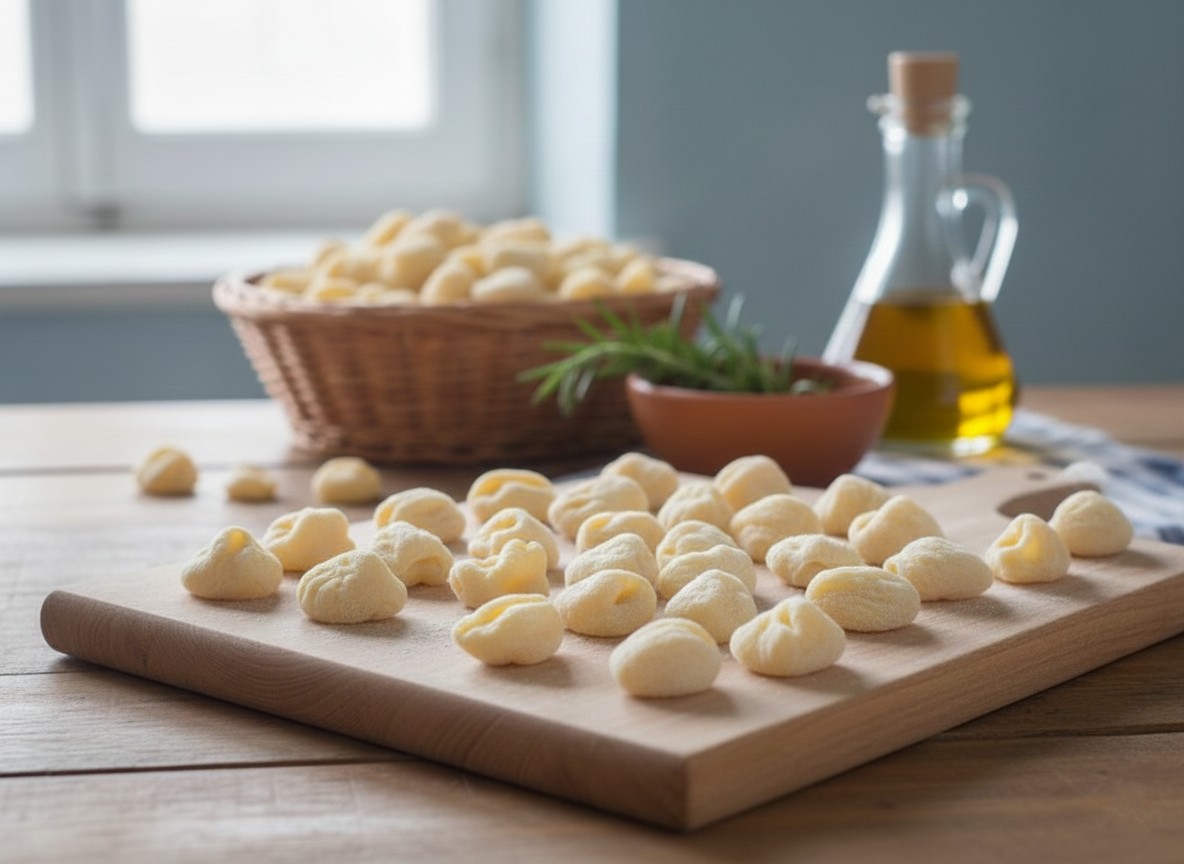
Another famous dish of Psara’s cuisine is the handmade “hollow” pasta, which took its name from its shape, meaning it is hollow inside. With a sauce of fresh summer tomatoes, they make the perfect…